
Visualization: bridging the research/practice gap
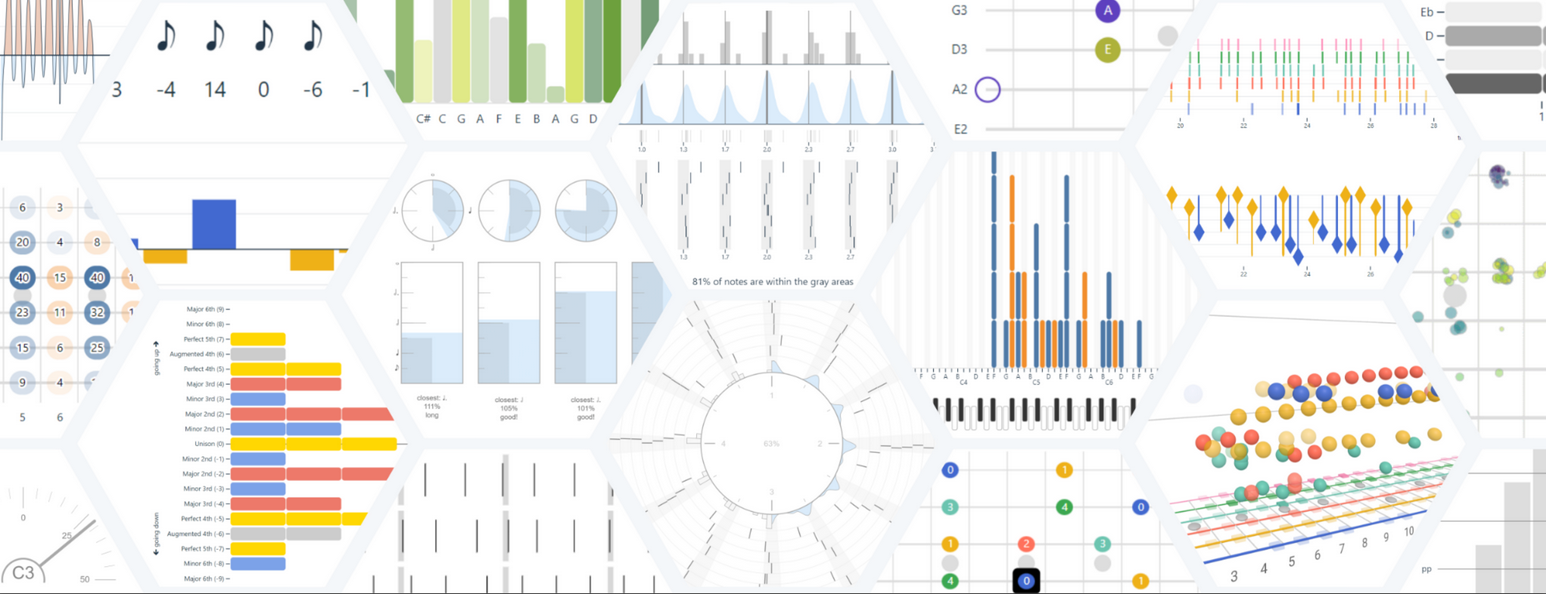
Visualization research (and practical wisdom) knows a lot about how to make effective visualizations. However, people still make terrible (or at least ineffective) things. How do we get the knowledge of visualization out into people’s hands so that they can use it? How can we best codify, represent, organize, present, (more verbs) visualization/design knowledge.
I am interested in ways that we can codify and operationalize what we already know about visualization so that the knowledge we’ve worked to build can be applied by more people, more often, and more effectively.
This effort overlaps with my education efforts at multiple scales: How do we teach visualization/design in the context of a computer science class? How do we present visualization wisdom to people who don’t have the time to take a whole class, and just want to get it in small bites?
Some concrete projects in this theme:
- Guidelines - How do we encode visualization knowledge into guidelines? What form should guidelines have to be most effective? Can we standardize guidelines to make them into a more usable resource? Can we use collections of guidelines to learn things beyond what we can learn from the individual guidelines they contain.
- Visualization Snacks - How do we package visualization information into bite-sized pieces? Visualization Snacks is an attempt to build a web resource that breaks things into small enough pieces that they can be useful. This includes “re-papering” to get the lessons from academic papers and example-driven lessons where we use critique of a specific example to make a point.